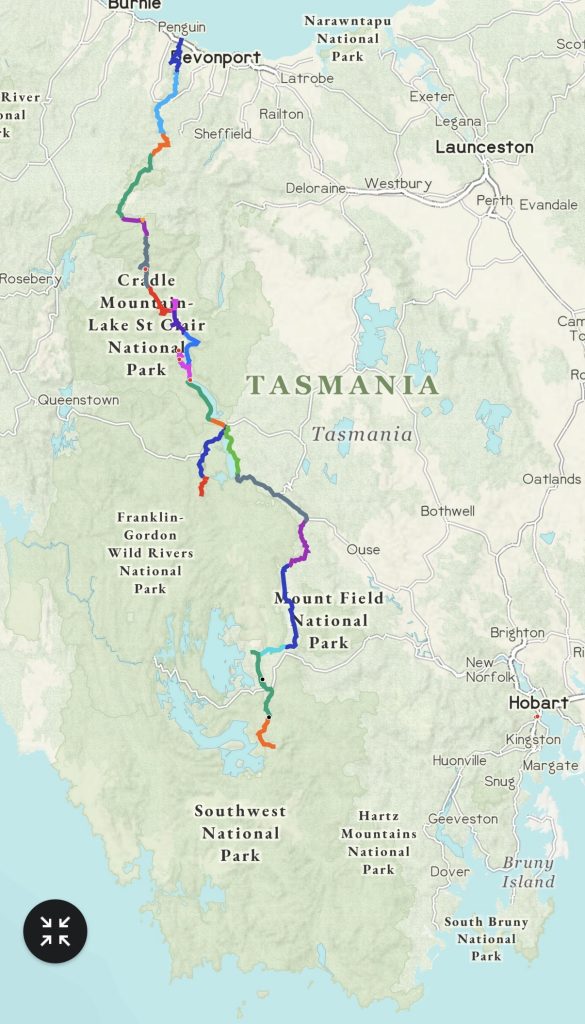
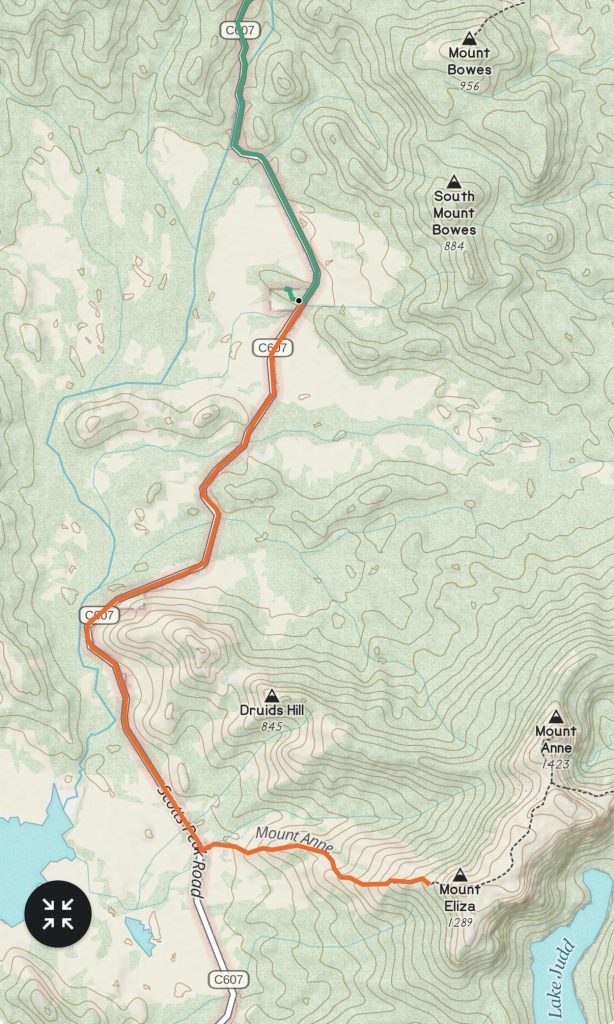
Distance: 14km
Elevation: +800m
Time: 4:20
Total Distance: 433km
Before you criticise someone, you should walk a mile in their shoes. That way, you’re a mile away and you have their shoes.
I wake to a cold morning. Feels colder than the 5° my watch tells me it is. The quarry is filled with fog and birdsong. I only have fourteen fairly easy kilometres to walk today. I take my sweet time getting out of bed.
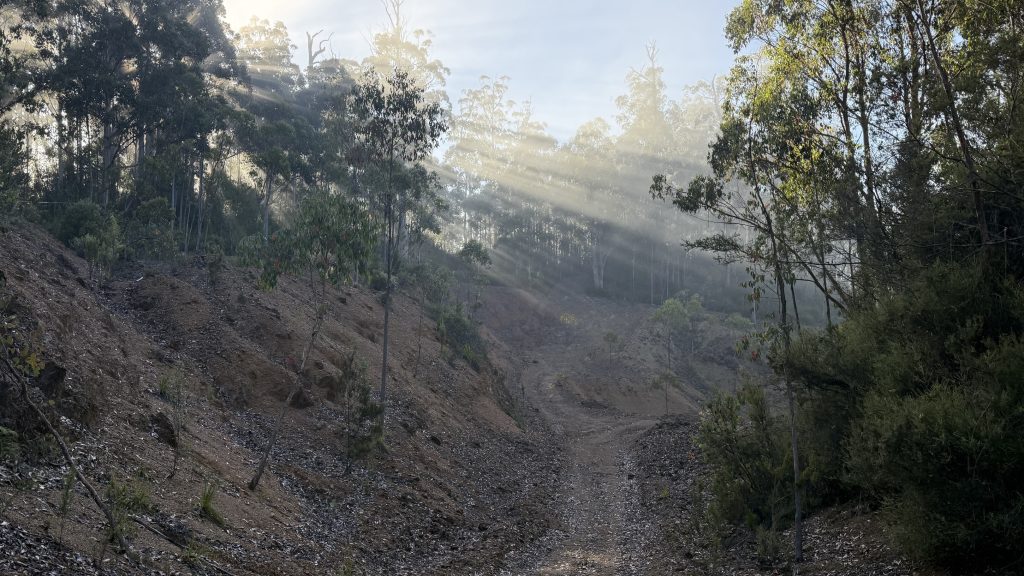
Back on Scotts Peak road, dump trucks scream past, emerging from the fog then disappearing into it once more. Mount Anne is hidden entirely, though I can feel her presence looming.
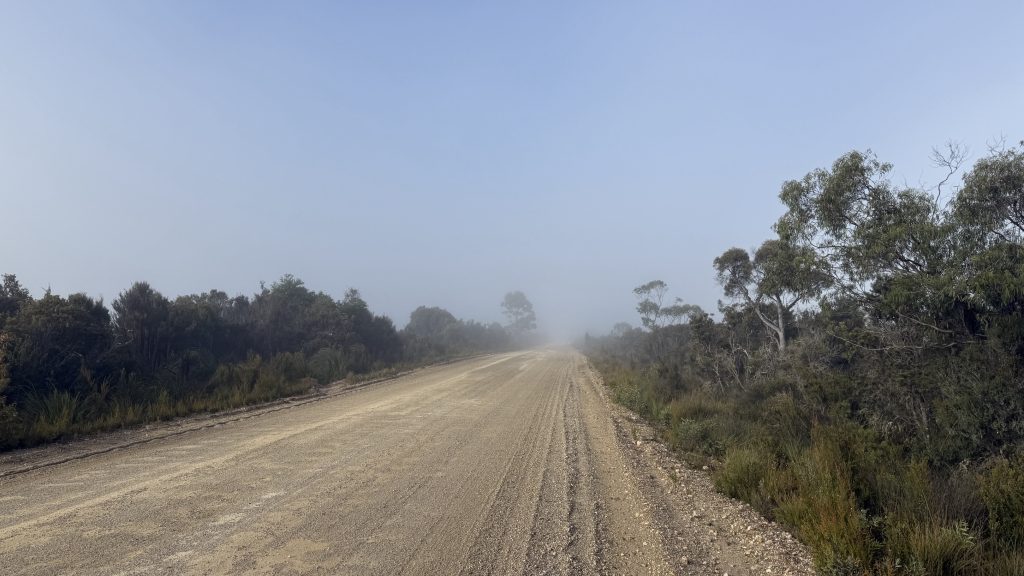
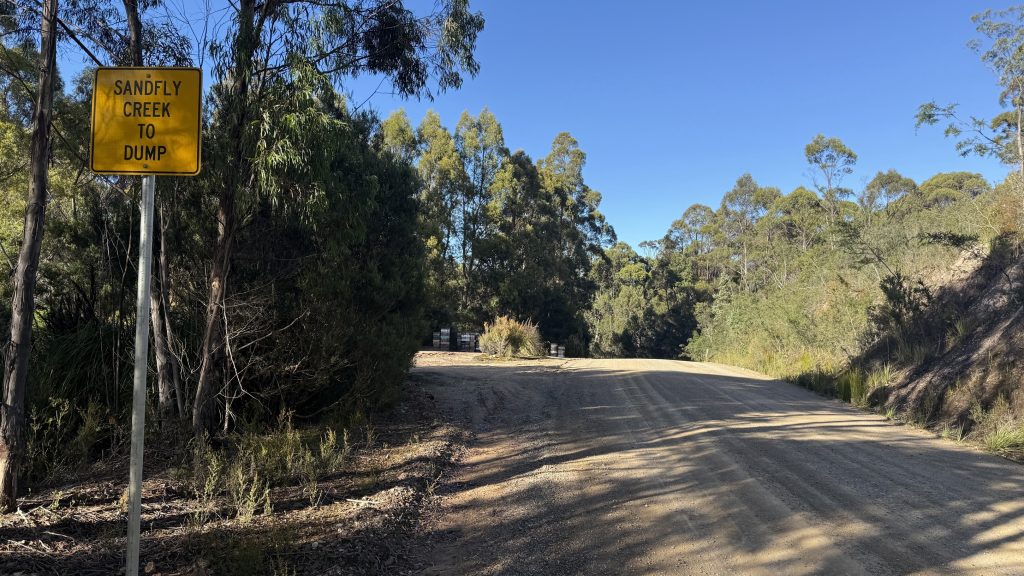
The dump trucks travel in pairs, raising clouds of dust that sting my eyes and cloy in my nose. I wonder if they mate for life, or just the season?
Once I pass the dump point, there’s also a huge yellow fucker ferrying loads back and forth to the dam.
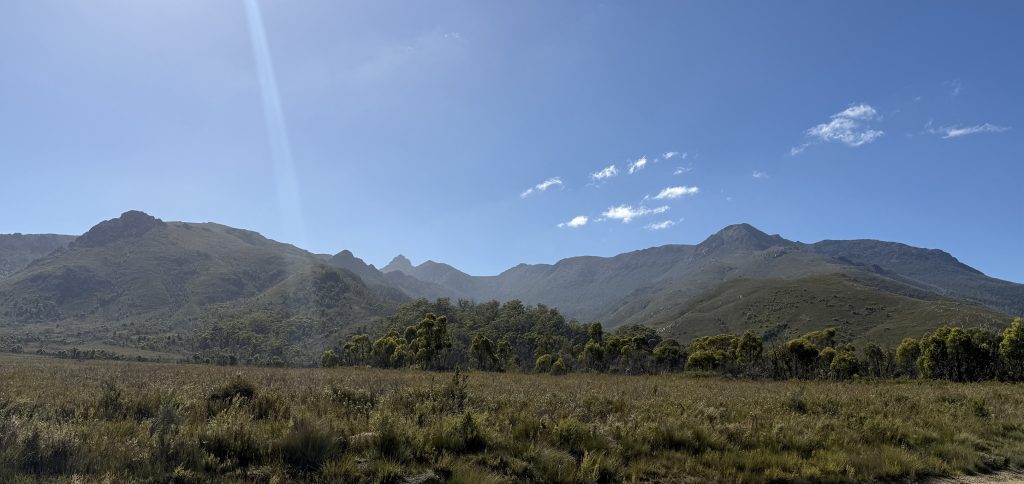
Turning off the road and into Condominium ck at the start of the Mt Anne walk is a welcome relief. The mountains rise invitingly before me. Off to the right, the jagged peaks of the Arthurs are finally in view.
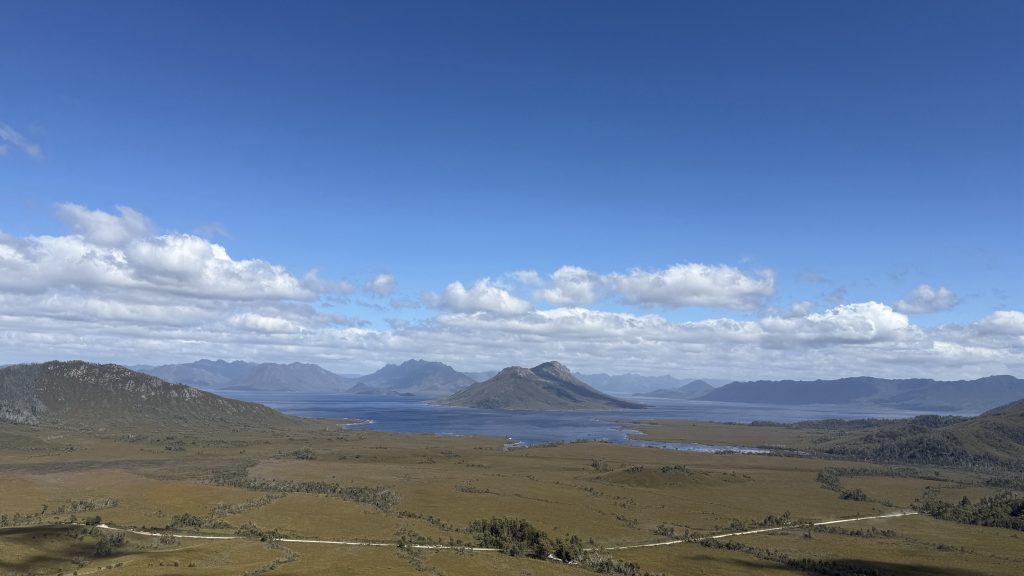
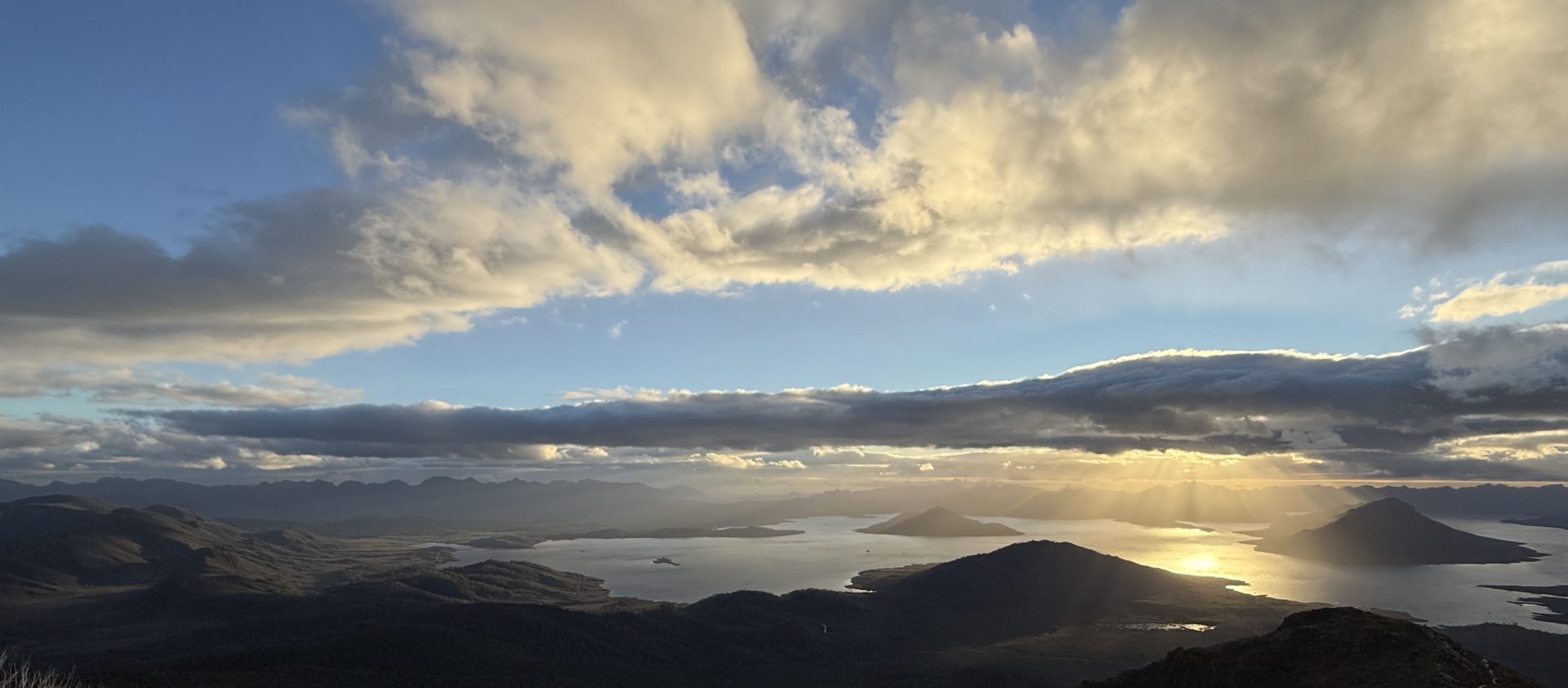
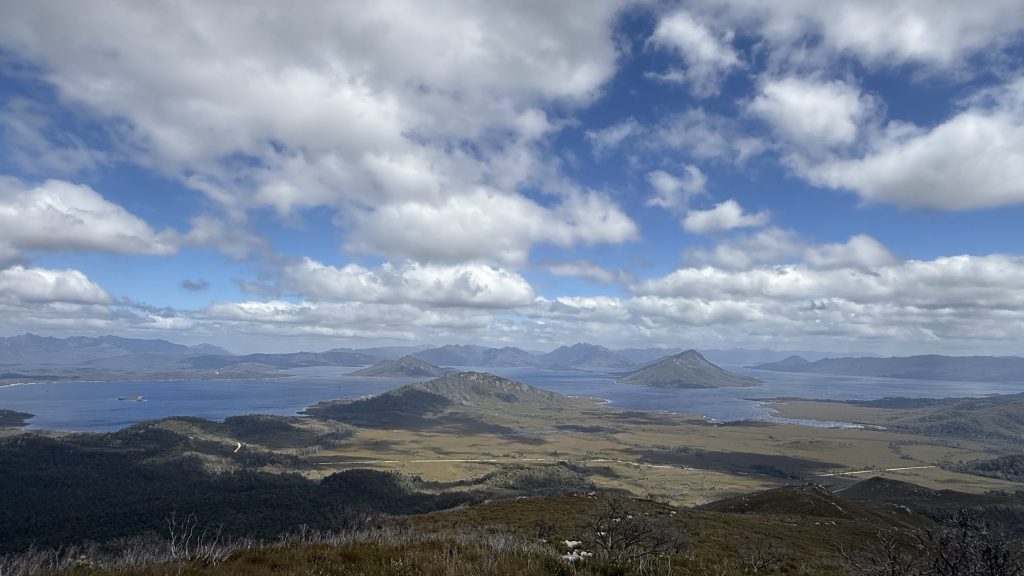
As I climb, “Lake Pedder” rises behind me, Mount Solitary a statuesque island basking in its centre. I can’t help but wonder what wildlife was marooned there when the waters rose. What populations still survive, cut off from the rest of the world?
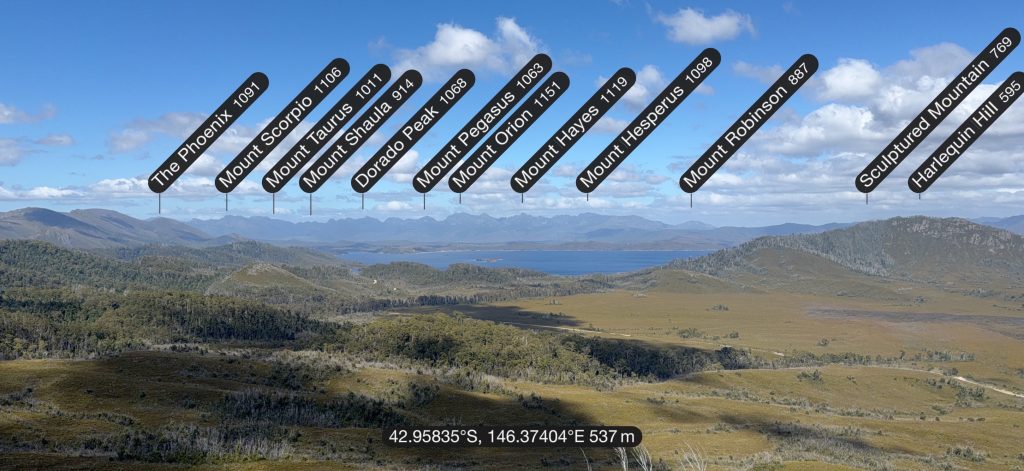
In the heady boom years following WWII, hiking for enjoyment grew in popularity. Deep in the wilderness of SW Tasmania, the intrepid and the hardy were drawn to a place that was reputed to deeply move all who visited there. A broad glacial lake set in a large flat valley ringed by stalwart mountains, and struck through the centre with a 3 kilometre long beach of stunning pink quartzite.
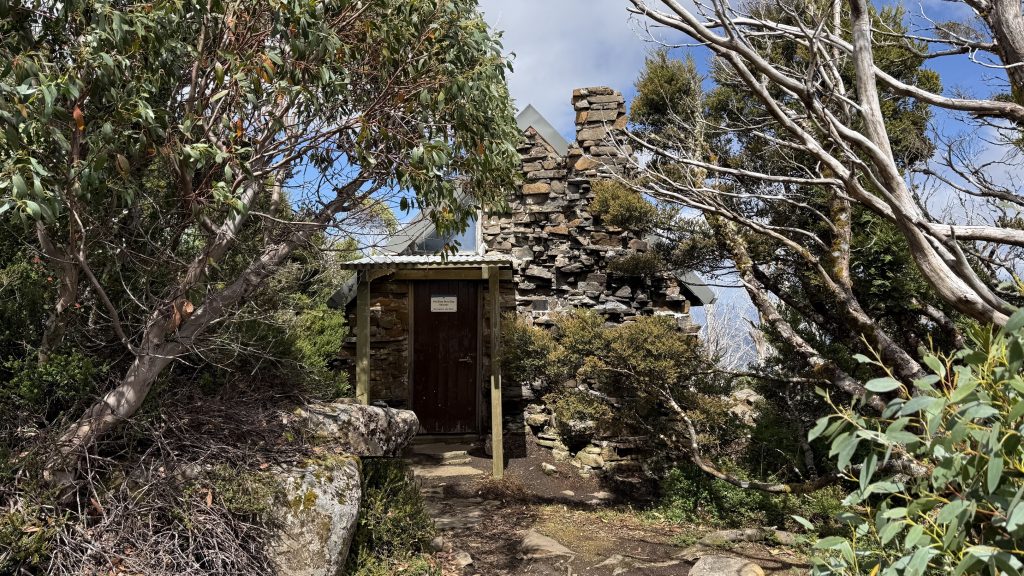
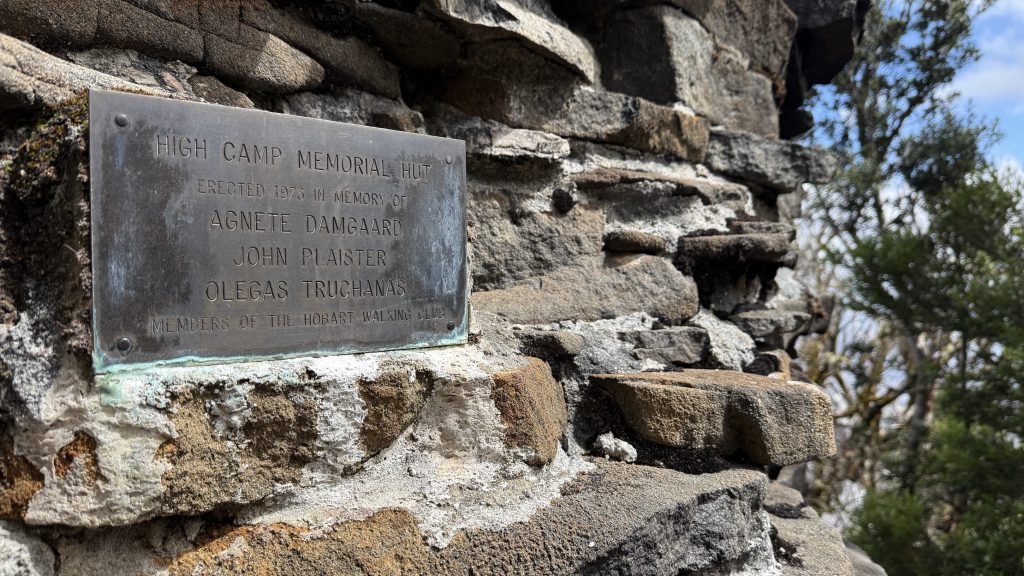
It’s all boardwalk and built track up to High Camp hut, which has a toilet and three tent platforms nearby, and is only just within the tree line. Built of stone, the emergency-use only hut has a small attic level for sleeping, and a water tank. Many of the trees have died back, though I’m not sure from what cause.
Lake Pedder was so captivating that in 1955 the Hobart Walking Club succeeded in having it declared the south-west’s second national park (after Frenchman’s Cap), thus protecting it from the folly of man’s industrious quest for progress for all time.
I arrive at the hut around 1pm. I was considering taking tomorrow as a rest day, but I’m having a hard enough time sitting still through the afternoon.
In 1962, Tasmanian Premier and hydro-homie “Electric Eric” Reece announced that the Gordon River would be investigated for the possibility of hydro damming. The next day, the HEC announced their intention to build a 64km jeep track for the purpose of just, kinda, you know, having a look. In 1964 Menzies tossed them £2.4m to upgrade the jeep track. In 1966 Reece secretly asked Menzies for $47m for “reasons”.
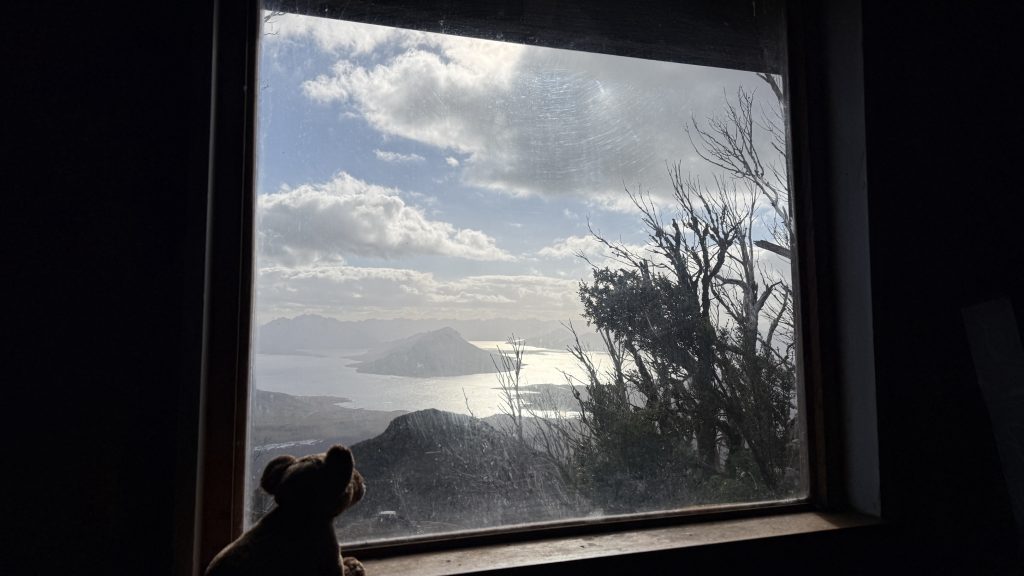
In the quiet solitude of the hut I brew a pot of sweet black tea and mow through the cheese and salami (thanks Alex ands Mick!) and olives and sun dried tomatoes. Looking out the window across the ragged, windswept lake and the peaks beyond, I eat my last cherry liqueur chocolate. The sun plays glaringly across the water.
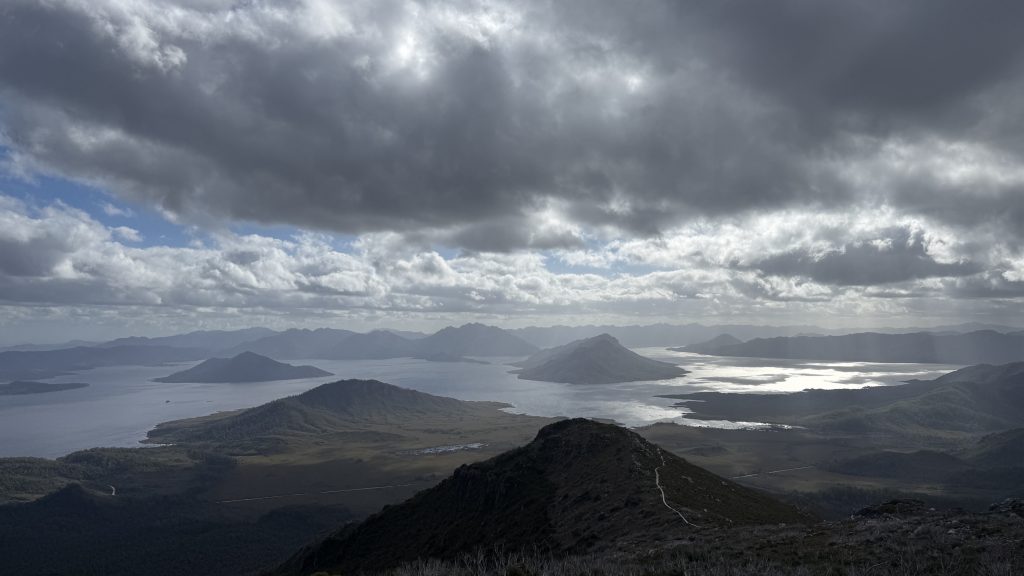
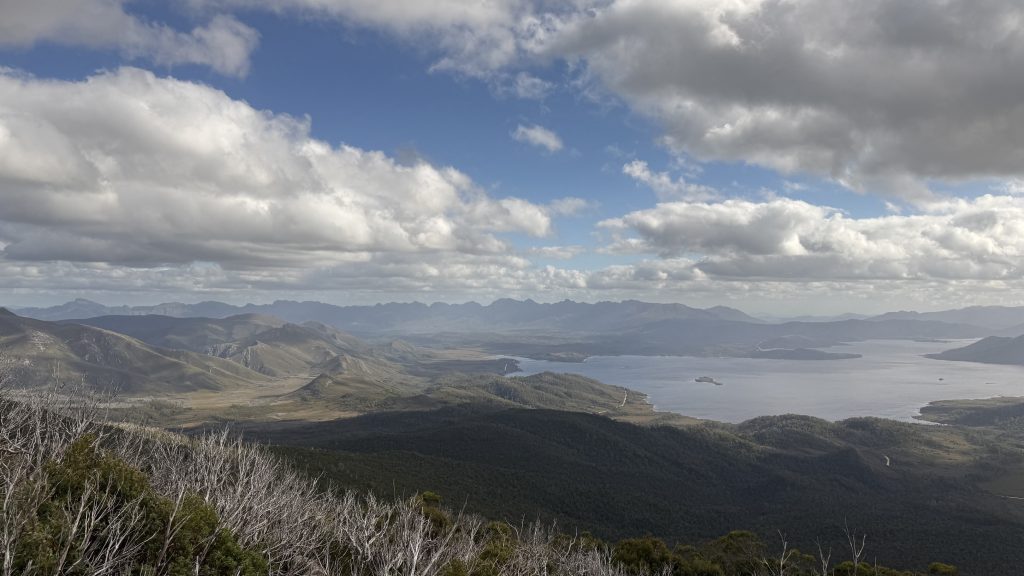
Then, in 1967 the HEC beamingly announced the plan to build three dams and drown the valley, to the horror of people whose hearts had not been replaced with lumps of coal. The HEC couldn’t understand what all the fuss was about. It would still be called Lake Pedder, and this one, at 242km2, would be even bigger and better! Under their plan (true to form, they only proposed one, and gave no options for alternatives) the Gordon River would be dammed at the same time, creating Tasmania’s largest lake; the 278km2 Lake Gordon. The two would be connected by a channel, forming the Middle Gordon Scheme for a total volume of 15259.04 gigalitres, or thirty times that of Sydney Harbour.
Who even needs that much water?
A month later the HEC opened its road into Lake Pedder, which by amazing coincidence turned out to be built to the exact required specifications for dam building.
The bill authorising the scheme passed parliament in record time. None of the members who voted to drown the lake had ever visited it.
Despite fierce resistance the dams were built and Lake Pedder disappeared beneath itself by the middle of 1973. Almost since the day of its inundation the Restore Lake Pedder movement has been gathering on the waters above. Unwaveringly, guided by arcane forces far greater than themselves, they meet and chant in the hopes of raising it, Cthuluesqe, from its deathless sleep beneath the waves. Given the ever increasing costs of maintaining the ageing infrastructure of the dams that flood it, they may yet live to see it rise.
I sit and read. I’m now enjoying Carnivorous Nights by Margaret Mittelbach and Michael Crewdson, in which they travel around Tasmania in search of the thylacine, and discover many other strange and endangered creatures on the way. I’m learning that many of the small mammals we associate with Tasmania were once widespread on the mainland; quolls, bettongs, pademelons, potoroos… Even the thylacine ranged across the mainland until dingoes came over a few thousand years ago. Most of these small animals have been wiped out or nearly so by the introduction of foxes and feral cats. At the time the book was written in the early 2000’s, authorities were pulling out all the stops to prevent a similar fate in Tassie. Some brainless dickhead had bred a couple dozen foxes and released them into the wild for hunting.
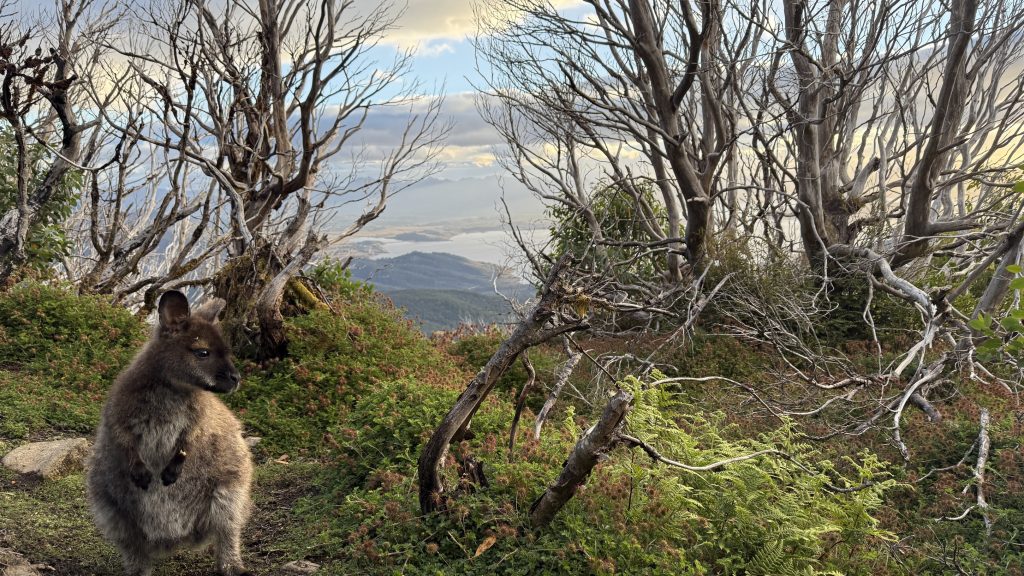
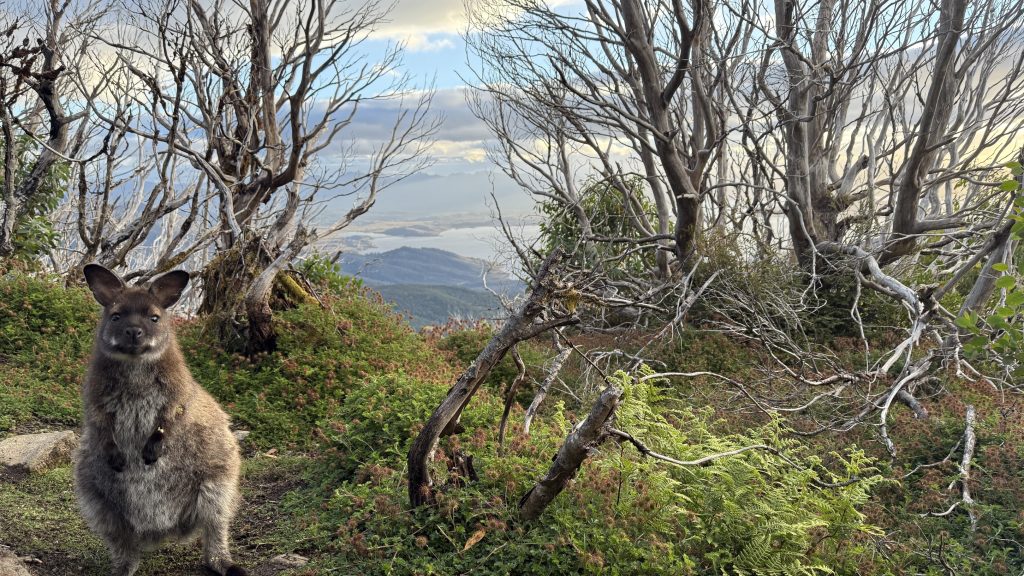
Lake Pedder was Tasmania’s first major environmental battle. Though ultimately unsuccessful, it birthed a formidable environmental movement. The United Tasmania Group, formed as the political wing of the Pedder Campaign, was the world’s first political green party, and included a young Bob Brown amongst its number. Olegas Truchanas’ photography of the region sought to publicise the enormity of what was at stake and deservedly remains a staple of coffee tables everywhere. Many of the campaigners would go on to fight (and win) other battles, including the Franklin River.
I’m aware I present a scathingly biased perspective, so in the interest of fairness, I’ll give the extractivists a chance to speak:
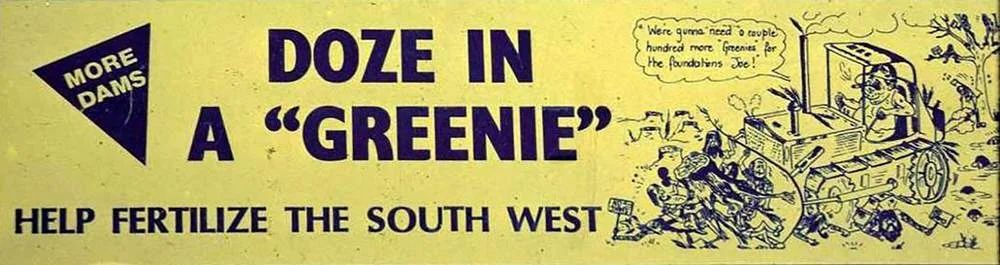
Premier Eric Reece later went on to appear as a recurring villain in the hit 90’s TV cartoon Captain Planet.
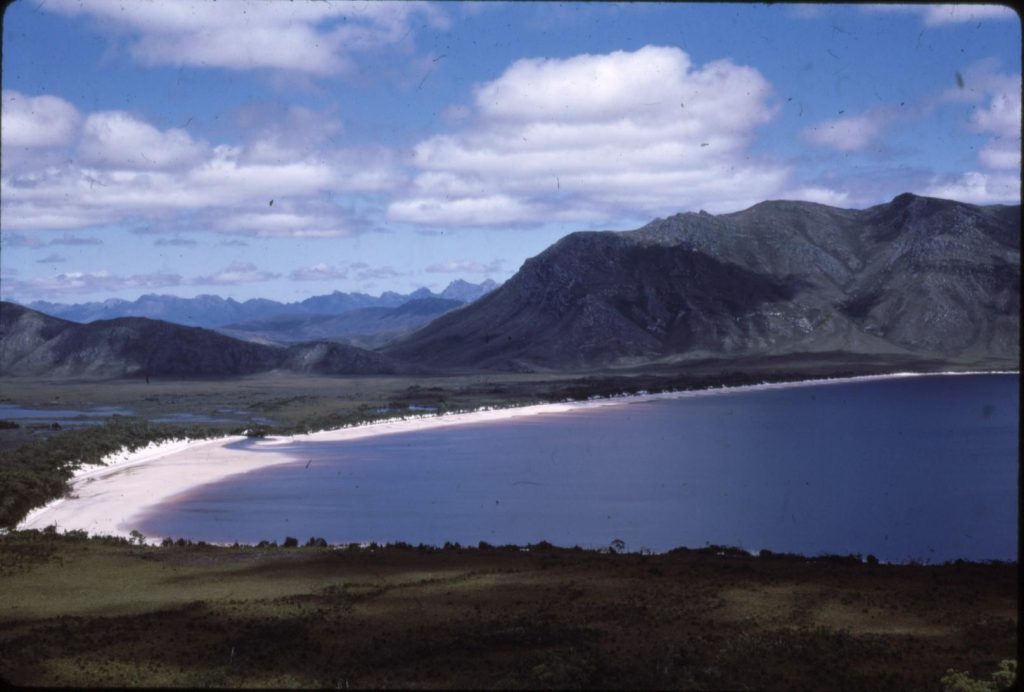
When the shadows begin to lengthen, I go out and sit on a rock for an hour and watch the sun setting. The landscape overflows with beauty. Beauty that gushes into you like drinking from a fire hydrant. I drink and drink it in until I feel I am full, and then the light changes again, and I drink some more. I am astonished that beauty like this can exist on this planet, and that I get to be here for it.
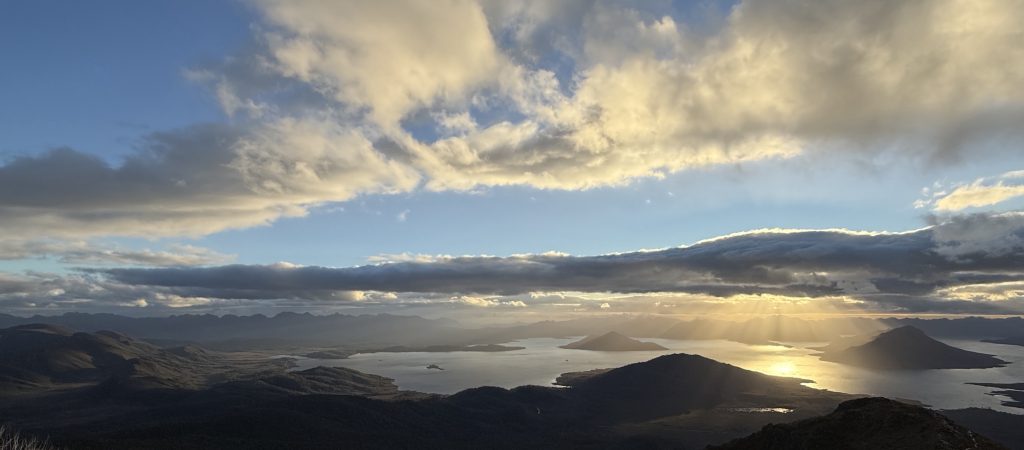
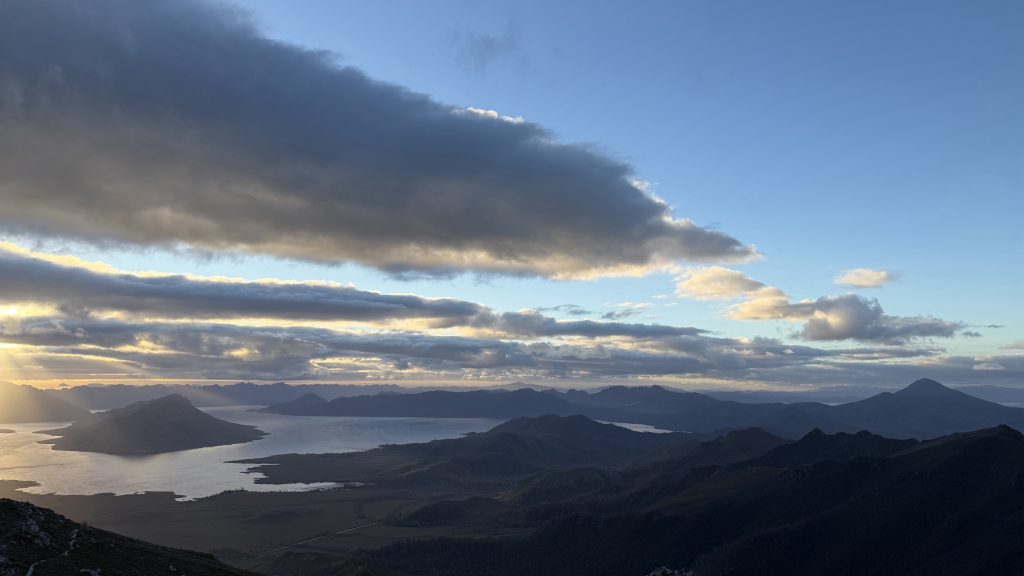
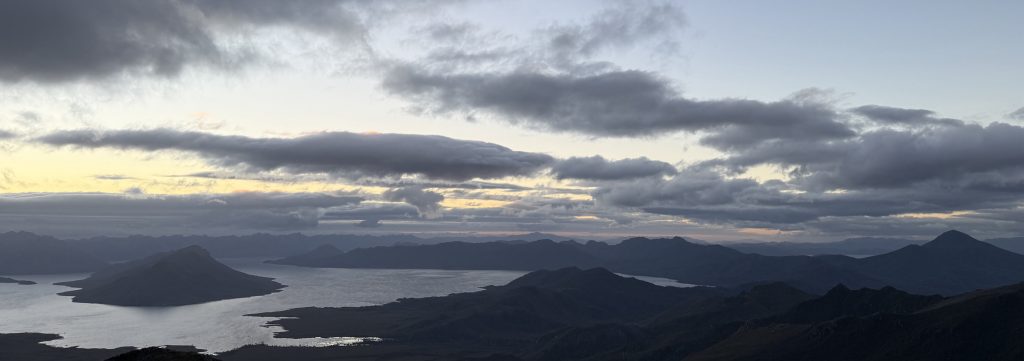
It’s been five days since I was last able to upload a post. Assuming I get up on the high ground of Mount Anne tomorrow and get signal, you should get those posts then. There are only two or three spots on the rest of the trip where I think it’s possible I’ll get reception again; Melaleuca, New Harbour Range, and the Ironbounds.
If you’d like to see my progress between posts, you can view my satellite tracking here:
https://share.garmin.com/Chrisday
Password: 12345678
Don’t abuse it or I’ll have to turn it off.